
Privacy and Definition That Lasts
Wood and Metal Fencing in Amarillo for backyard privacy, property boundaries, and secure perimeter enclosures
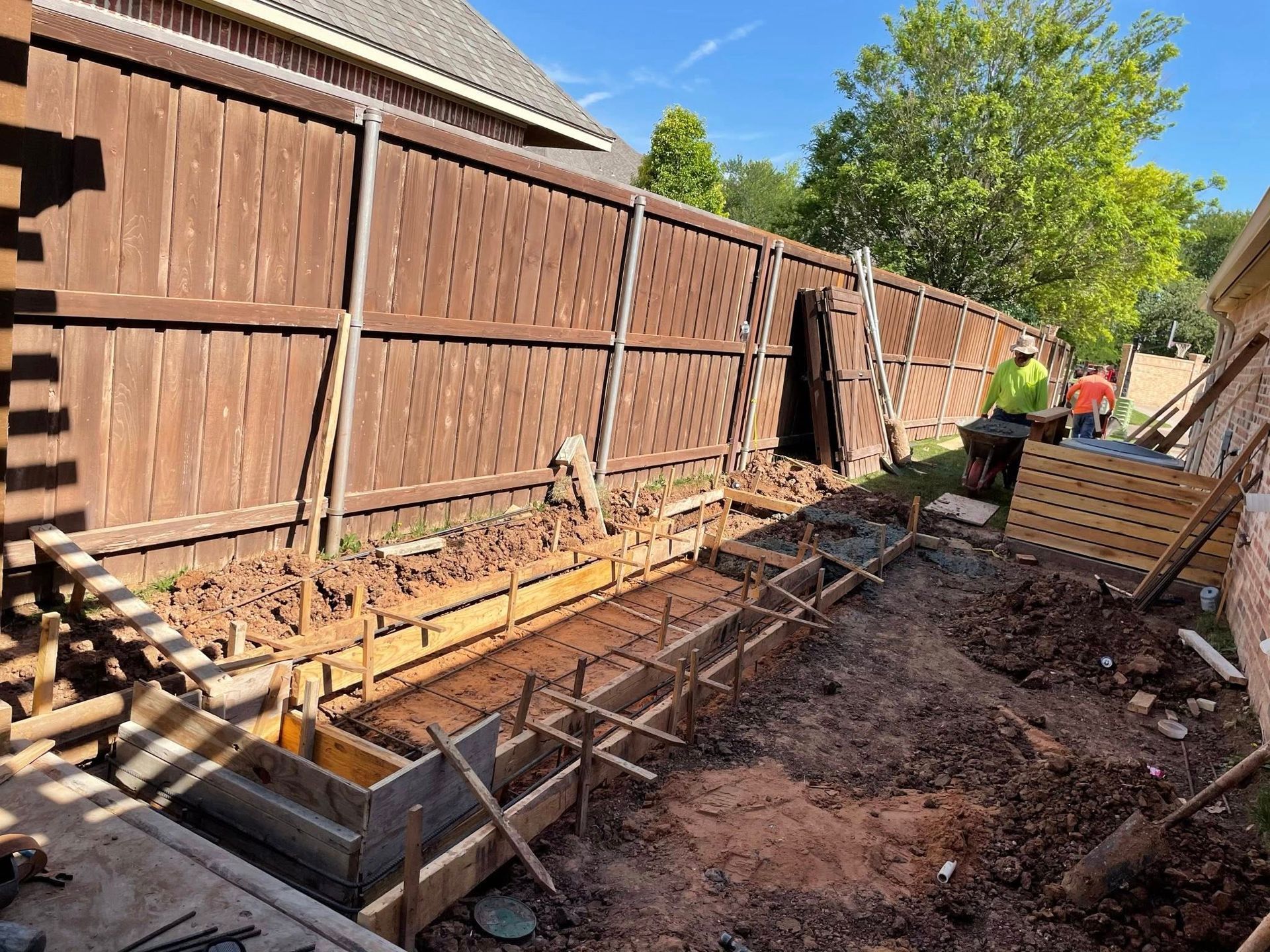
Castaneda Construction installs wood, metal, and cable fencing in Amarillo for homeowners needing privacy screening, property line definition, and secure enclosures that withstand wind loading and temperature extremes typical of the Texas Panhandle. Fencing projects address situations where existing barriers have deteriorated, where new construction requires perimeter definition, or where property improvements demand updated visual appeal and functional boundaries. You see clean fence lines, gates that operate without sticking, and materials chosen to match both the property style and the level of security or privacy required.
Fence installation involves setting posts at proper depth and spacing, ensuring level alignment across uneven terrain, and attaching rails or panels with fasteners appropriate to the material and loading conditions. Wood fencing uses pressure-treated posts set in concrete to resist ground moisture and wind uplift, with rails and pickets fastened to create consistent spacing and visual alignment. Metal fencing benefits from welding capability, allowing custom gate frames, reinforced posts, and connections that eliminate the loosening common with bolted assemblies.
Request a quote to discuss fencing options and receive a detailed estimate based on property dimensions and material selection.
What Proper Fence Installation Requires
Successful fencing depends on post stability, material selection that matches the exposure environment, and construction techniques that prevent common failure modes like sagging rails, leaning posts, and gate misalignment. Posts must be set deep enough to resist frost heave and wind pressure, with concrete footings poured around corner and gate posts to distribute loading. Rail attachment must allow for wood expansion during humidity changes without splitting the post or creating gaps that compromise privacy, while metal components require rust protection at cut ends and fastener penetrations.
After installation is finished, you notice gates that close squarely without binding, fence sections that remain plumb and aligned, and materials that show no premature weathering or connection failure. Wood fencing provides a natural appearance that complements residential landscaping, while metal fencing delivers long-term durability with minimal maintenance requirements. Cable fencing offers an open design that maintains visibility while defining boundaries and controlling access, suitable for properties where full privacy is not the primary goal.
Fencing services include both new construction and replacement of deteriorated fencing that no longer provides adequate privacy, security, or visual appeal. Custom layouts accommodate slopes, corners, existing landscaping, and gate locations for vehicle or pedestrian access. The work is completed with attention to clean workmanship, organized job sites, and dependable communication throughout the project timeline, ensuring that fencing integrates smoothly with other property improvements like landscaping and concrete installations.
Answers to Frequent Service Questions
Homeowners across the region often ask about material durability, project timelines, and how different fencing types perform under local weather conditions.
What is the expected lifespan of wood versus metal fencing?
Pressure-treated wood fencing typically lasts fifteen to twenty years with periodic staining or sealing, while metal fencing often exceeds thirty years with minimal maintenance when properly finished and installed with rust protection at joints and fasteners.
How is fence height determined?
Local regulations, property line setbacks, and the intended function—whether privacy screening, security, or simple boundary definition—all influence fence height, with most residential privacy fences ranging from six to eight feet tall.
When should cable fencing be chosen over solid panels?
Cable fencing works well for properties where maintaining sight lines matters, where wind resistance is a priority, or where the goal is controlled access rather than full visual privacy, offering a clean modern appearance with reduced material cost.
What preparation is required before fence installation begins?
Property lines must be verified, underground utilities located and marked, existing fencing or vegetation removed if necessary, and access cleared for post-setting equipment and material delivery throughout the work area.
How does the Texas Panhandle climate affect fencing choices?
High wind exposure, temperature swings between summer heat and winter cold, and low humidity that dries wood rapidly all influence material selection, with metal and treated wood both performing well when installed with proper fastening and rust protection at vulnerable points.
Castaneda Construction works with homeowners to create fencing solutions that match property needs, style preferences, and budget considerations. Schedule a property visit to discuss layout options and material recommendations based on your specific perimeter requirements.